Transmission of the Monkeypox Infection
The virus enters the body through skin abrasions, inhalation of droplets from an infected individual or the mucous membranes in the eyes, nose or mouth. Animal to human transmission is very common in this case, which generally occurs due to direct contact with the blood or body fluid of the infected animal, via the bite of the animal. In Africa, the infected animals consisted of rodents such as:
- Tree squirrels
- Gambian poached rats
- Dormice
- Monkeys
Apart from this, consuming inadequately cooked meat or other animal products of infected animals also poses an infection threat.
Human-Human transmission of monkeypox, although not very common but is still possible and occurs through blood, mucus or droplets from an infected individual’s coughs or sneezes or even from the surfaces that they might have touched or articles that they might have used such as clothing, towels or bedding
Transmission may also occur from mother to fetus, but it is still unclear if it is transmissible via physical contact. However, rumours are that it spreads due to homosexual relations, health officials have urged the public not to rush to conclusions as monkeypox spreads due to close contact, it may spread through sexual intercourse, but it has not been classified as an STD or a sexually transmitted disease.
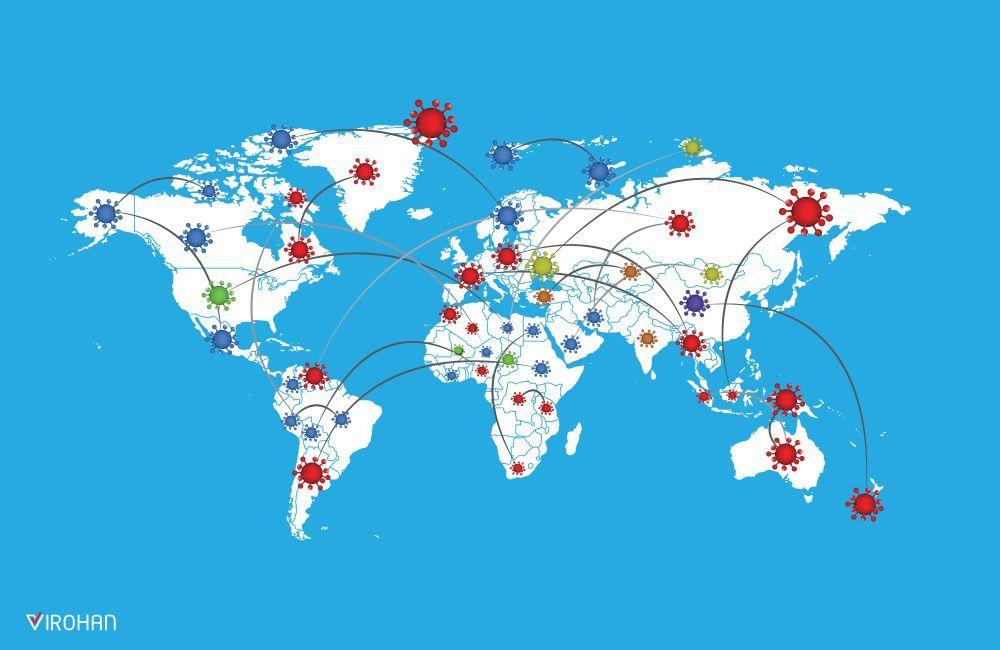
While the virus is quite rare for now and usually non-fatal, where one form kills around 10% of infected people, who knows what mutations could do to the virus if it spreads at a faster pace.
Also Read: Bsc Nursing Course
Monkeypox Symptoms
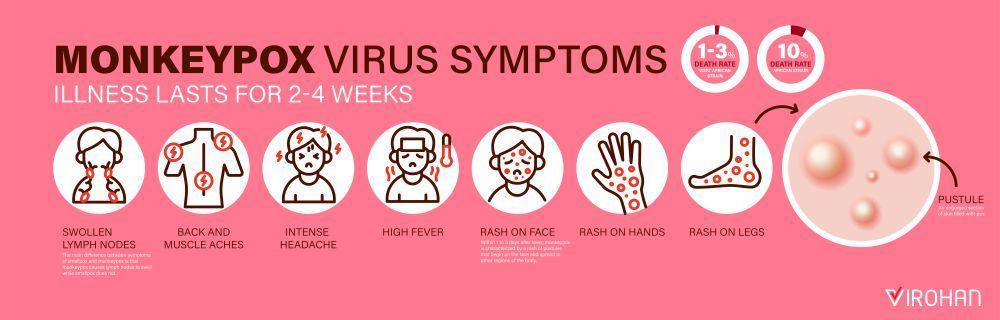
The symptoms usually remain submerged for a long time (~ 1-2 weeks) and the infection lasts for about 2-4 weeks. During this period, various symptoms are visible that are very similar to smallpox, yet milder.
Monkeypox symptoms are characterized by the beginning of flu-like symptoms, among others such as:
- Fever
- Headache
- Muscles and Backaches
- Shivering and Exhaustion
- Shortness of breath
- Swollen lymph nodes
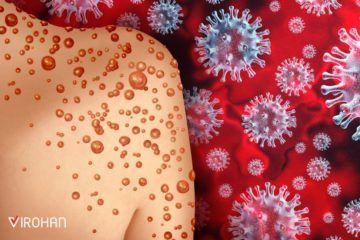
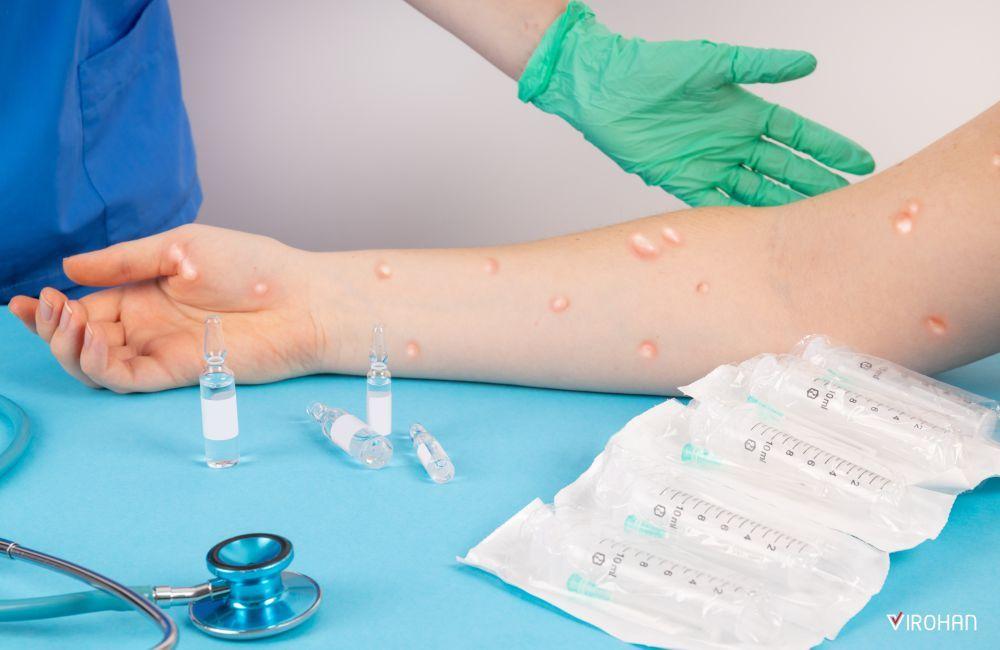
1 or 3 days after the onset of fever, skin lesions become visible – that begins with a rash on the face, and spreads to the palms of hands, soles of feet and the surface of the eyeballs. With time, the skin lesions tend to worsen and turn into blisters filled with fluid.